

The Due Diligence Period in Nevada: A Buyer's Guide (2026)
The due diligence period is the window after your offer is accepted when you inspect the home, review the seller's disclosures and decide whether to move forward, ask for repairs or cancel. On the standard Las Vegas REALTORS® purchase agreement, you choose the number of calendar days, and if the results aren't acceptable you can cancel in writing before the deadline and get your full earnest money back (Residential Purchase Agreement, Rev. 10/25, Section 8). Miss the deadline and the protection is waived.
Why the due diligence period matters
- It's your best chance to find problems before you're committed, from the roof and the pool to insurance and zoning (RPA, Section 8A).
- It protects your deposit. A timely written cancellation entitles you to a whole refund of your earnest money (RPA, Section 8B).
- It's where repair negotiations happen. You can ask for repairs based on the disclosures or anything an inspection finds that materially affects value or use (RPA, Section 8F).
- Nevada puts the duty on you, too. The law says a buyer still has to use reasonable care to protect themselves, and the seller's disclosure isn't a warranty (NRS 113.140).
I'm Andrew Guiant, a REALTOR® with Simply Vegas. I build every buyer's inspection schedule on day one, so we finish everything well before the deadline.
By Andrew Guiant, REALTOR®, Nevada License S.0183462, Simply Vegas · Updated October 27, 2026 · About an 8-minute read
Under contract, or about to be? Call or text me at 702-496-8216 and I'll help you map out your due diligence.
How the Due Diligence Period Works
Here's what Section 8 of the standard Las Vegas contract says:
- You choose whether it applies. The form has a box for whether your purchase is conditioned on due diligence. If it is, you write in the number of calendar days after acceptance.
- The seller has to cooperate. That includes keeping gas, power, water and all operable pilot lights on for your inspections and through closing (Section 8). The utilities have to be on within two business days of acceptance (Section 8D).
- You can look into almost anything that matters to you, including whether the home is insurable, flood zones, airport noise, odors, environmental hazards, zoning and nearness to freeways or railroads (Section 8A).
- Inspections are non-invasive and non-destructive, done by licensed and bonded contractors or other qualified professionals (Section 8A).
The clock starts at acceptance, the date both parties have signed and received the final agreement and counteroffers (Section 24). That's also when your earnest money deposit comes due.
Step 1: Schedule Your Inspections Right Away
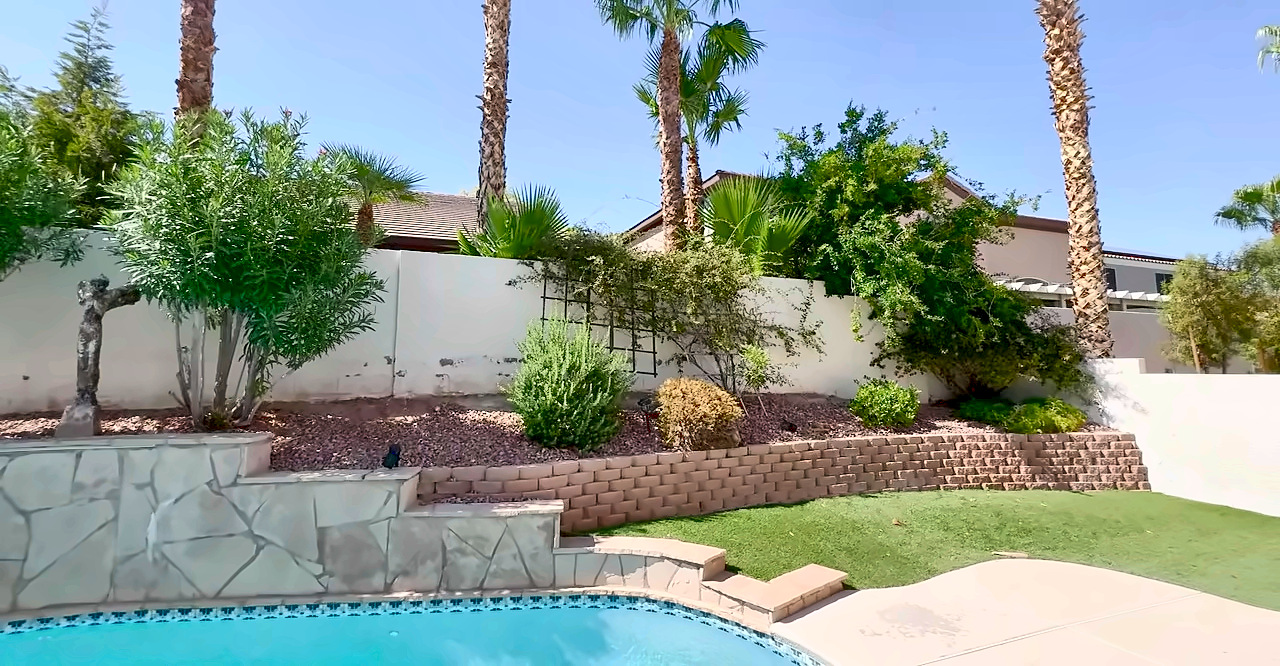
The standard contract lists the inspections you can order and has the parties fill in who pays for each (Section 8D). They include:
- General home inspection
- Pool/spa, roof, HVAC/furnace, electrical, plumbing/sewer and structural
- Termite and pest
- Wood-burning device or chimney
- Septic, well, water quality and soil (more common on rural or larger lots)
- Survey, fungal contaminant, air quality, radon and lead-based paint
- Elevator, if the home has one
The contract strongly recommends licensed Nevada professionals. In Nevada, home inspectors (called "inspectors of structures") are certified by the Real Estate Division under NRS Chapter 645D.
Don't let one slip. If an inspection isn't completed, and your repair requests aren't delivered, within the due diligence period, you're deemed to have waived that inspection and the seller's liability for repairs it would have found, except as otherwise provided by law (Section 8D). Inspection fees are usually paid outside escrow unless the parties arrange otherwise.
If an inspection raises a red flag
If an inspection shows a concern with the roof, septic, well, chimney, possible fungal contaminant or anything else from the inspection or disclosures, you can require a certification or additional inspection, as long as it happens within your due diligence period. A certification isn't a warranty (Section 8E).
Step 2: Read the Seller's Disclosures
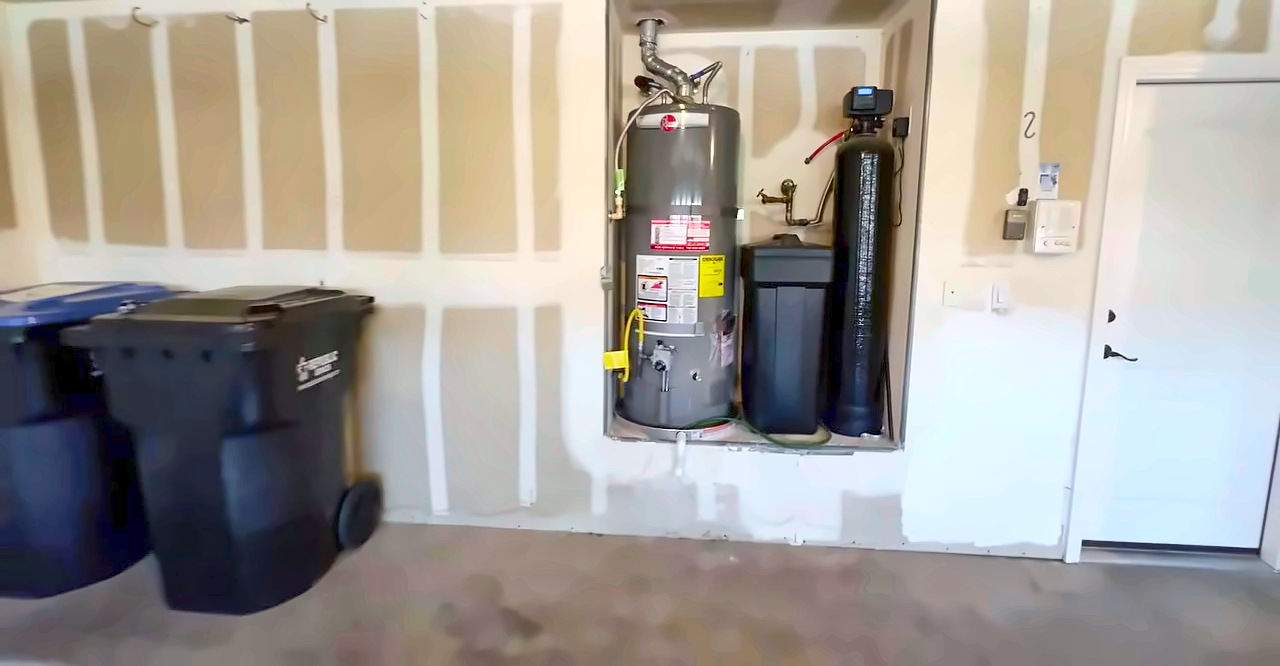
Under the standard contract, the seller delivers the required disclosures within 5 calendar days of acceptance (Section 12). Depending on the home, those include:
- Seller's Real Property Disclosure (NRS 113.130)
- Open range disclosure, if it applies
- Construction defect claims disclosure, if the seller marked one on the form
- Lead-based paint disclosure for homes built before 1978
- Smart home disclosure and the Solar Panel Addendum, if the home has those systems
What Nevada law says about disclosures
- The seller must complete the disclosure form and serve it on you at least 10 days before the home is conveyed, and a seller's agent can't fill it out for the seller (NRS 113.130).
- If the seller learns of a new or worsened defect before closing, they must tell you in writing. If they won't repair it, you can rescind or close and accept it (NRS 113.130).
- If the seller never serves the form, you can rescind any time before closing without penalty (NRS 113.150).
- If you're told of a defect whose repair cost isn't limited by your contract, a rescission must be in writing, notarized and served within 4 working days of learning about it (NRS 113.150).
- Sellers don't have to disclose defects they don't know about, and the form isn't a warranty (NRS 113.140). That's why inspections matter.
New construction note: the seller disclosure rule doesn't apply to the first sale of a home built by a licensed contractor (NRS 113.130). Builders have different obligations. See my guide on how to buy new construction.
Step 3: Review HOA Documents and Title
These two reviews run on their own clocks:
- HOA resale package. The seller must request it within 2 business days of acceptance. You can cancel without penalty until midnight of the 5th calendar day after you receive it, and if it doesn't arrive within 15 calendar days of acceptance you can cancel (RPA, Section 11; NRS 116.4109). Read the budget, reserves, rules and any pending assessments. My high-rise condo guide covers what to look for.
- Preliminary title report. Title delivers it within 10 business days of escrow opening. You have 5 business days to approve or object, and the seller then has 5 business days to fix your objections (RPA, Section 9C).
Step 4: Ask for Repairs, Resolve Objections or Cancel
If the results aren't acceptable, the contract gives you two paths, and both must be completed in writing by the due diligence deadline (Section 8B):
- Cancel the agreement with written notice to the seller and receive a whole refund of your earnest money. If you cancel because of a specific inspection report, give the seller a copy that shows the inspector's name, address and phone number (Section 8A).
- Resolve your objections in writing with the seller, for example with agreed repairs, a credit or a price change.
What you can ask for: repairs based on the seller's disclosure, or items that materially affect the value or use of the home revealed by an inspection, certification or appraisal. General maintenance and cosmetic items that existed at acceptance, and aren't addressed in the contract, are deemed accepted (Section 8F).
If you do neither by the deadline, you're deemed to have waived the due diligence condition (Section 8C).
Step 5: Final Walk-Through Before Closing
Due diligence ends well before closing, but you still get a walk-through within the number of days before closing written in your contract. It's there to confirm the home has been maintained, agreed repairs are done and the seller has met their other obligations. If you skip it, the systems are deemed satisfactory (RPA, Section 14).
How I Keep Due Diligence on Track
- Day 0–1: Escrow opens and your deposit goes in. I book the general inspection.
- First days: Specialty inspections based on the home: pool, roof, HVAC, sewer and anything the general inspector flags.
- As disclosures arrive: We read the seller's disclosure and the HOA package line by line.
- Before the deadline: We decide together whether to proceed, request repairs or cancel, and I deliver it in writing with time to spare.
My appraisal guide covers the next contingency on most financed purchases.
FAQ: Due Diligence in Nevada
How long is the due diligence period in Nevada?
There isn't one set by law. On the standard Las Vegas form, it's the number of calendar days after acceptance that you and the seller agree to and write into Section 8.
Can I back out during due diligence and get my earnest money back?
Yes. If the results are unacceptable to you, you can cancel in writing before the deadline and you're entitled to a whole refund of your earnest money (RPA, Section 8B).
What happens if I miss the due diligence deadline?
If you don't cancel or resolve your objections in writing by the deadline, you're deemed to have waived the due diligence condition (Section 8C).
Does the seller have to fix everything the inspector finds?
No. You can request repairs for items that materially affect value or use, and the seller can agree, counter or decline. Cosmetic and general maintenance items are deemed accepted unless the contract says otherwise (Section 8F).
When will I get the seller's disclosure?
The standard contract says within 5 calendar days of acceptance, and Nevada law requires it at least 10 days before closing (NRS 113.130).
Do I need an inspection on a new build?
I recommend one. Builders have their own contracts and warranties, and Nevada's seller disclosure rule doesn't apply to a builder's first sale.
Watch: What Inspections Can Catch
 ▶ My new build had 80 problems · Why inspections matter, even on new homes |
 ▶ The $250 detail buyers notice · A small fix that changes first impressions |
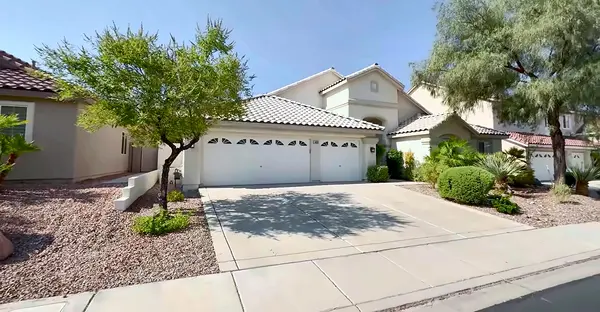
 ▶ Green Valley home tour · Pool, gated, single-story, 3,000 sq ft, Henderson 89052 |
 ▶ Inspirada home tour · 2015 Toll Brothers with a pool and solar, Henderson 89044 |
More videos: see them all on my YouTube channel.
Let's Protect Your Purchase
I'll schedule the right inspections, read every disclosure with you and handle the deadlines in writing. If you're just starting, read my guide to buyer brokerage agreements in Nevada and my moving to Las Vegas guide. Selling instead? Here's how to prepare your house to sell, so buyers' inspections go smoothly.
Ask me about my listings at 222 Karen Ave #601 in Turnberry Towers and 1285 Raritan Pl, a 3-bedroom, 2-bath Henderson townhome built in 2019.
Andrew Guiant, REALTOR® | Simply Vegas
📞 702-496-8216
✉️ andrewguiant@gmail.com
🏠 Search homes: www.andrewsellsvegas.com
▶️ Home tours: YouTube @andrewsellsvegas
Talk to Andrew about your inspection plan
This guide is general information, not legal advice. Your signed contract controls, and for legal questions talk to a Nevada real estate attorney. Information is deemed reliable but not guaranteed. Andrew Guiant, REALTOR®, Simply Vegas, NV license S.0183462.
Sources
- Las Vegas REALTORS® (GLVAR) Residential Purchase Agreement, Rev. 10/25 (Sections 8, 9C, 11, 12, 14, 24): https://lasvegasagentformula.com/wp-content/uploads/2026/07/10-2025-LVR-Residential-Purchase-Agreement-2.pdf
- NRS 113.130, 113.140 and 113.150 (seller disclosures and remedies): https://www.leg.state.nv.us/nrs/NRS-113.html
- NRS 116.4109 (HOA resale package): https://www.leg.state.nv.us/nrs/NRS-116.html
- NRS Chapter 645D (inspectors of structures): https://www.leg.state.nv.us/nrs/NRS-645D.html
- Andrew Guiant, Green Valley home tour: https://www.youtube.com/watch?v=Jxz397BdMVQ
- Andrew Guiant, Inspirada home tour: https://www.youtube.com/watch?v=Ku1Gi5C-VFY
- All checked October 27, 2026.
Categories
- All Blogs (39)
- Aries (1)
- Buyer Tips (29)
- Communities (1)
- Community Guides (11)
- Golf Communities (4)
- Henderson (11)
- Henderson Events (1)
- High-Rise Condos (7)
- Las Vegas Communities (23)
- Las Vegas Events (1)
- Living in Las Vegas (6)
- Model Home Tours (1)
- Moving to Las Vegas (2)
- New Construction (5)
- Relocation (5)
- Seller Tips (13)
- Southwest Las Vegas (1)
- Things to Do (2)
Recent Posts


GET MORE INFORMATION